Problem-Based Learning

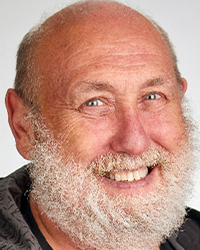
David Kornack
University of Rochester, Rochester, New York
David Kornack is an Associate Professor in the Department of Neuroscience at the University of Rochester School of Medicine & Dentistry (URSMD). He is a lecturer and laboratory instructor, teaching human anatomy, histology, and neuroscience to undergraduate and medical students. Through the Office of Curriculum & Assessment, he also serves as the Director of PBL Tutor Training for the Double Helix Curriculum at the URSMD, training tutors to facilitate small-group PBL sessions in the first- and second-year medical courses. He also participates in campus-wide faculty development workshops, presenting sessions on the use of PBL in educational settings.
Why I Chose Problem-Based Learning (PBL)
Problem-based learning (PBL) is a small-group instructional method that uses patient cases to engage and drive student learning of basic and clinical sciences. It provides a supportive environment that fosters the development of competency in core skills students will need as future health care providers, including professionalism, problem-solving, communication, and other teamwork skills. PBL works by using the “3 C” learning principles — it is constructivist, contextual, and collaborative. Each student group has an assigned “PBL tutor” to facilitate and guide group discussion, ensure information quality control, and provide formative and summative feedback of group performance. Accordingly, PBL plays an invaluable role in professional development that may not be sufficiently addressed by more traditional methods in medical education, e.g. large-group lectures, laboratory exercises.
Check out our other panelists!