Cooperative Learning
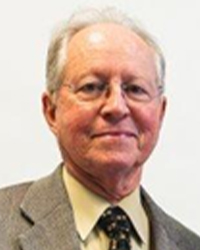
Karl A. Smith
University of Minnesota, Minneapolis, Minnesota
Karl A. Smith is Emeritus Professor, Purdue University and the University of Minnesota. His research and development interests include building research and innovation capabilities in engineering education; faculty and graduate student professional development; and the role of cooperation in learning and design. Karl has over 40 years of experience working with faculty to redesign their courses and programs to improve student learning. He adapted the cooperative learning model to engineering education and has helped many faculty and graduate students with implementation. He wrote or co-wrote eight books including How to model it: Problem solving for the computer age, Cooperative learning: Increasing college faculty instructional productivity, New paradigms for college teaching, Strategies for energizing large classes: From small groups to learning communities, Active learning: Cooperation in the college classroom, and Teamwork and project management.
Why I Chose to Use Cooperative Learning
After facing challenges with the lecture-homework-exam model as an early career faculty member, I searched for better ways to help people learn. Cooperative learning aligned with my experience as an engineer and researcher due to the emphasis on positive interdependence, especially a common goal, and individual and group accountability. Cooperative learning not only resulted in more engaged and deeper learning, but also a sense of belonging and membership in a community. Additional benefits included preparation for professional practice, especially teamwork skills.
Check out our other panelists!